The Best Time to Visit Japan for Sake and Wine Tours
 wintagetour
Japan is a country of seasons — and each season changes the character of a visit entirely. Cherry blossoms in spring, fireflies in early summer, crimson maple leaves in autumn, and deep snow in winter: the country seems designed to reward every visit differently.
For travelers who come to Japan with sake or wine in mind, the question of timing matters even more. The rhythms of the brewery and the vineyard are driven by temperature, water, and harvest — which means the season you visit shapes not just the scenery but what you see, smell, and taste inside the places that make Japan's finest drinks.
This is a guide to planning your visit around the craft.
Spring (March – May): Cherry Blossoms in the Vineyards
Spring is Japan's most celebrated season, and for good reason.
In Yamanashi wine country, late March to early April brings one of the least-photographed versions of the cherry blossom spectacle: delicate pink blossoms framing the trellised vines of Katsunuma, with Mt. Fuji still capped in snow on the horizon. The vineyard owners themselves say the sight of their rows of bare vines under a canopy of sakura is one of the year's most beautiful moments.
For wine: The vines are just waking up — buds are breaking through, and the excitement of a new vintage is in the air. While spring is not harvest season, many wineries are bottling the previous year's vintage, meaning private visitors can taste new releases still weeks away from public sale.
For sake: By spring, the main brewing season (shizuke) is winding down. Breweries have been producing through the winter and are now pressing, filtering, and preparing for the season's release. It is a wonderful time to visit — the work is nearly complete, the atmosphere calm, and the shelves full of the freshest sake of the year. Shiboritate (新酒) — the season's first unfiltered pressing — is available for only a few weeks and is unlike any other sake you will taste.
Best for: Cherry blossoms, new sake releases, Yamanashi scenery.
Early Summer (June – August): Mountain Freshness
Summer is Japan's least-visited wine season — and its most underrated.
In Niigata and Yamanashi both, summer reveals a landscape that the shoulder seasons hide: rice paddies thick and green, rivers swollen with mountain runoff, brewery gardens in full bloom. The air is clear at altitude, and the mountain vistas that frame both regions are at their most vivid.
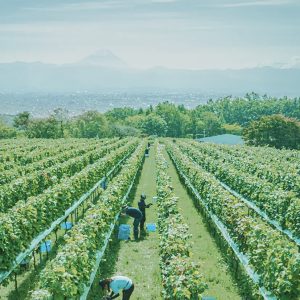
For wine: The growing season is at its most active. Yamanashi's Koshu vines are lush with foliage; the vineyard teams are canopy-managing, thinning, and watching the grapes develop. A visit now gives you a different kind of access — a working vineyard at full activity, conversations with viticulturalists rather than winemakers.
For sake: Summer is the quiet season for most breweries. Production has stopped; tanks are cleaned and waiting; the toji (master brewer) may be available for longer, more relaxed conversations than at any other time of year. Many breweries release natsu-zake (summer sake) — lighter, lower-alcohol styles designed for the season. Summer sake is a genuinely different expression, easy to miss unless you visit.
Best for: Uncrowded experiences, vineyard viticulture tours, relaxed brewer access.
Autumn (September – November): Harvest Season
Autumn is the most dramatic season in Japan's craft beverage calendar — and arguably the best time to visit.
In Yamanashi: September through October is grape harvest season. The Koshu grapes ripen slowly over the long, warm days and cool mountain nights, and when picking begins, the entire wine region hums with activity. Vineyard teams work at dawn; fermentation tanks are loaded; the air around the wineries carries the unmistakable scent of fermenting grape juice. Visiting during harvest is one of the most sensory experiences Yamanashi offers.
The autumn foliage — koyo in Japanese — arrives in late October and November, transforming the mountain-ringed Kofu Basin into shades of gold and red. The combination of harvest activity, cooling air, and autumn color makes this the peak season for wine-focused travel in Japan.
In Niigata: As autumn deepens, the sake breweries begin preparations for the new brewing season. Rice has been harvested from the paddy fields; the first rice polishing begins; the toji returns from their summer travels. The first sake of the new season — shinshu — is pressed in late autumn, typically available in November and December.
A Niigata visit in late October or November catches the region in full seasonal transition: harvest complete, sake beginning, the first snow visible on the Echigo Mountains.
Best for: Wine harvest, autumn foliage, the start of sake season.
Winter (December – March): Deep Brewing Season
For serious sake enthusiasts, winter is the season that matters most.
Sake brewing in Japan is historically a winter craft. Cold temperatures slow fermentation, allowing flavors to develop with a precision that warmer brewing cannot replicate. The toji and their teams — historically itinerant workers who traveled from their home villages to breweries across Japan for the winter months — have refined cold-weather brewing into one of the world's most complex fermentation arts.
In Niigata: Winter is the active brewing season. The breweries are fully alive — steaming rice at 4 AM, cultivating koji in heated rooms, monitoring fermentation tanks that bubble quietly in the cold. A winter visit to Hakkaisan, Shimeharitsuru, or Midorikawa brewery is a fundamentally different experience from any other season: you are inside the process.
The Niigata landscape in winter is also extraordinary. The Echigo plain disappears under meters of snow; the ski resorts of Myoko and Yuzawa fill with visitors; the region's famous yukidoke (snow-melt) water, which defines the character of Niigata sake, is visibly all around you.
In Yamanashi: Yamanashi winters have a particular stillness. The vineyards are bare and geometric under frost; Mt. Fuji is at its most dramatic — snow-covered, frequently visible. Some of the sake breweries that operate alongside the wineries are in active production; others are quiet but deeply welcoming of visitors.
Best for: Active sake brewing, winter landscape, serious enthusiasts.
Season at a Glance
| Season | Sake Highlight | Wine Highlight | Special Feature |
|---|---|---|---|
| Spring (Mar–May) | Shiboritate (fresh-pressed new sake) | New vintage bottling | Cherry blossoms in vineyards |
| Early Summer (Jun–Aug) | Natsu-zake (summer sake), relaxed brewer access | Active vineyard growing season | Uncrowded, mountain greenery |
| Autumn (Sep–Nov) | New season preparations begin | Grape harvest | Autumn foliage, harvest atmosphere |
| Winter (Dec–Mar) | Peak brewing season, fullest access | Quiet vineyards, sake breweries active | Deep snow, most intense brewing experience |
Planning Around Japan's Peak Travel Periods
Japan's two most crowded travel windows are cherry blossom season (late March to early April) and Golden Week (late April to early May). If you are visiting during these periods, book your Wintage Tour experience at least 4–6 weeks in advance.
The autumn foliage season (late October to mid-November) is the second-busiest period and equally popular. Our brewery partners have limited slots for private visits during these windows.
Outside of these periods — especially early summer and midwinter — private access is easier to arrange and the experience is often more intimate.
A Note on Multi-Season Visits
Some of our guests return to Japan specifically to experience the same brewery or winery across different seasons. The difference between a winter visit to Hakkaisan (brewery fully operational, steaming rice at dawn) and a summer visit (brewery quiet, the toji available for an unhurried afternoon conversation) is so complete that they feel like different places entirely.
If you are planning more than one trip to Japan, we are happy to design experiences that show you the same producers through different seasonal lenses.
Plan Your Visit
Wintage Tour designs every experience privately, tailored to your dates and interests. Whatever season you are visiting — whether you arrive during the cherry blossom rush or in the deep quiet of a Niigata winter — we can build a journey that matches the moment.
To begin planning, contact us.
Email: k.ishii.wintage@gmail.com
Tel: 080-7013-1899
Further Reading
- The Ultimate Guide to Private Sake Brewery Tours in Japan Niigata Sake: Japan's Most Legendary Brewing Region, Explained
- Yamanashi Winery Tours: Japan's Hidden Wine Country at the Foot of Mt. Fuji
- What to Expect on a Private Sake Brewery Tour in Japan
- The Best Sake and Wine Day Trips from Tokyo
- Sake Tasting in Japan: What to Expect at a Private Brewery
- Koshu Wine: Japan's Indigenous Grape and the Yamanashi Wine Region